VishnumayaDirect.Com

Home > Blog > About Akarshan &Vashikaran
Spiritual Learning Insights

About Akarshan &Vashikaran

Learn about the traditional concepts of Akarshan and Vashikaran, their spiritual context and how these practices are understood within traditional Indian ritual traditions.

Sep 28, 2026 Vishnumaya Direct 12 min read Spiritual Practices

Introduction to Akarshan & Vashikaran

Akarshan and Vashikaran are terms associated with different traditional Indian spiritual and ritual practices. Akarshan is commonly associated with attraction or drawing toward, while Vashikaran is traditionally associated with influence, attraction or bringing something under one's desired influence.

The meanings and practices connected with these terms can vary according to regional traditions and spiritual lineages. A responsible approach should emphasize personal intention, prayer, self-reflection and mutual respect.
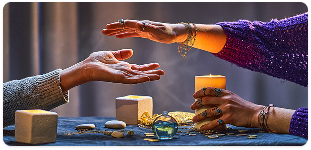
Content Image
Seek Traditional Spiritual Guidance
Learn about traditional rituals and spiritual practices with guidance from experienced practitioners who can explain their cultural context.

What is Akarshan?

What is Akarshan?

Akarshan is a Sanskrit-derived term commonly associated with attraction, drawing or bringing something closer. It may be discussed in relation to relationships, positive intentions, personal confidence and connection.

What is Vashikaran?

What is Vashikaran?

Vashikaran is a traditional term associated with influence or attraction. Practices may involve mantras, puja, yantras, meditation and devotional rituals. Interpretations vary across traditions and should be understood within their cultural context.

AKARSHAN VS. VASHIKARAN

AKARSHAN (ATTRACTION)
VASHIKARAN (INFLUENCE)
Commonly associated with attraction or drawing toward
Traditionally associated with influence or attraction
May be discussed in relationship and spiritual contexts
May involve specific ritual or mantra traditions
Often connected with positive intention and connection
Interpretations vary across traditions
Can be approached as a devotional or reflective practice
Should not be presented as guaranteed control over another person
Traditions and practices vary

Common Traditional Practices

Mantra Practices
Recitation of mantras for prayer and devotion.
Puja
Prayers, offerings and devotional observances.
Yantra
Sacred diagrams used for meditation and ritual worship.
Meditation
Developing concentration and clarity.
Homam
Traditional fire rituals with sacred offerings.
Personal Guidance
Guidance from an experienced spiritual practitioner.

When Do People Seek Guidance?

Mantra Practices
Recitation of mantras for prayer and devotion.
Puja
Prayers, offerings and devotional observances.
Yantra
Sacred diagrams used for meditation and ritual worship.
Meditation
Developing concentration and clarity.
Homam
Traditional fire rituals with sacred offerings.
Personal Guidance
Guidance from an experienced spiritual practitioner.

Possible Spiritual Benefits

Encourages Personal Reflection
Supports Focus and Intention
May Encourage Emotional Calm
Strengthens Spiritual Connection
Positive Personal Change
Provides a Sense of Guidance

Important Considerations

Claims of guaranteed results or control over another person's thoughts should be treated with caution. A healthy relationship requires mutual consent, communication and respect. Spiritual practices are not a substitute for medical, psychological, legal or other professional advice.

Frequently Asked Questions (FAQs)

What is Akarshan?
Akarshan is a traditional term commonly associated with attraction or drawing something toward oneself. Its meaning can vary between spiritual traditions.
What is Vashikaran?
Vashikaran is traditionally associated with influence or attraction and is interpreted differently across various spiritual and ritual traditions.
What is the difference between Akarshan and Vashikaran?
Akarshan is generally associated with attraction, while Vashikaran is more commonly associated with influence. Their exact meanings can vary by tradition.
Can Vashikaran control another person's mind?
Claims that a ritual can guarantee control over another person's thoughts or decisions should be treated with caution. A responsible spiritual approach respects individual choice and consent.
What rituals are associated with Akarshan and Vashikaran?
Depending on the tradition, practices may include mantra, puja, yantra, meditation, homam and devotional observances
Can these practices guarantee that someone will return to a relationship?
No spiritual practice should be presented as a guaranteed way to make another person return, fall in love or remain in a relationship.
How should I choose a spiritual practitioner?
Look for transparency about the tradition, respectful communication and clear explanations of the practice. Be cautious of anyone who guarantees supernatural results or uses fear to pressure you.
Need personal Guidance?
Discuss your goals, challenges and life path with our experienced spiritual mentors.
BOOK CONSULTATION →
EXPLORE OUR SPIRITUAL LEARNING INSIGHTS
Discover more articles on rituals, astrology, relationships, protection and spiritual wellness.
VIEW ALL BLOGS →
( () => { const lazyloadRunObserver = () => { const lazyloadBackgrounds = document.querySelectorAll( `.e-con.e-parent:not(.e-lazyloaded)` ); const lazyloadBackgroundObserver = new IntersectionObserver( ( entries ) => { entries.forEach( ( entry ) => { if ( entry.isIntersecting ) { let lazyloadBackground = entry.target; if( lazyloadBackground ) { lazyloadBackground.classList.add( 'e-lazyloaded' ); } lazyloadBackgroundObserver.unobserve( entry.target ); } }); }, { rootMargin: '200px 0px 200px 0px' } ); lazyloadBackgrounds.forEach( ( lazyloadBackground ) => { lazyloadBackgroundObserver.observe( lazyloadBackground ); } ); }; const events = [ 'DOMContentLoaded', 'elementor/lazyload/observe', ]; events.forEach( ( event ) => { document.addEventListener( event, lazyloadRunObserver ); } ); } )();
Need Help? Chat with us